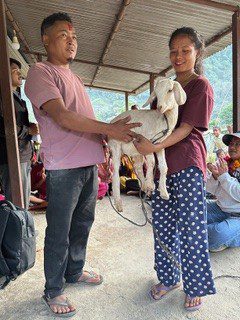
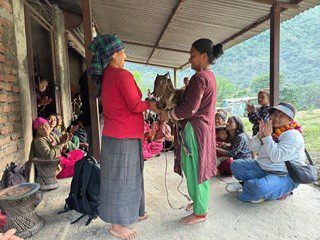
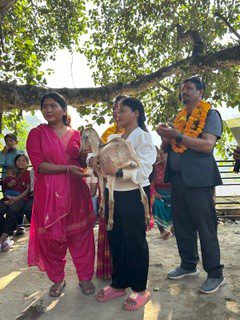
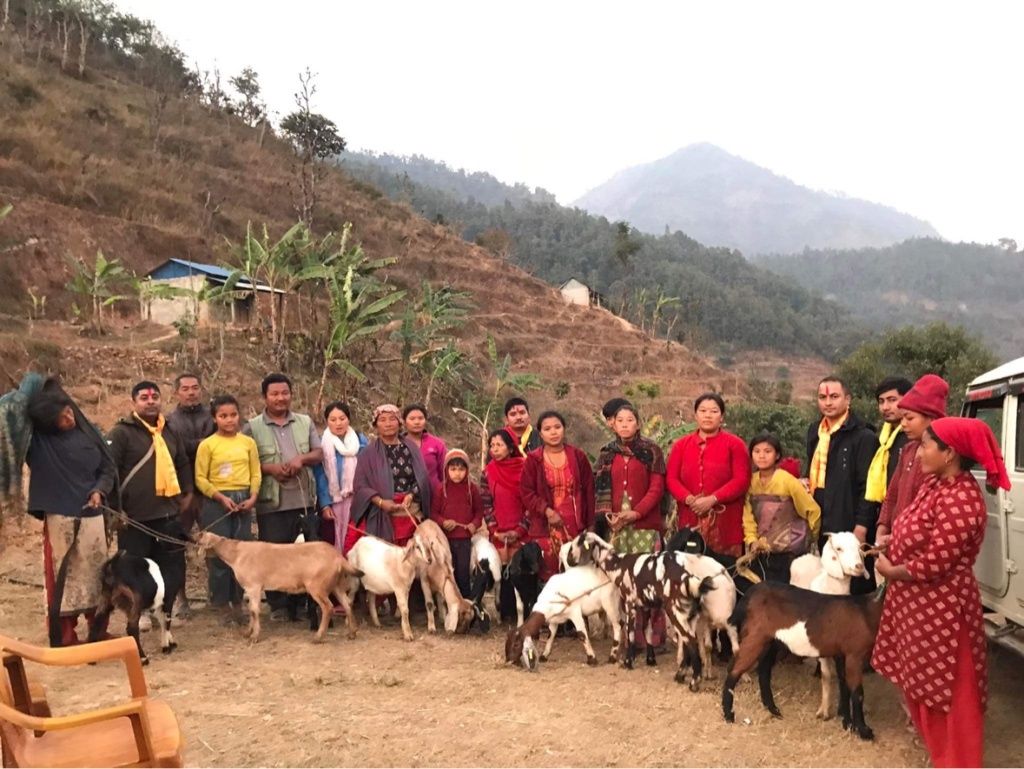
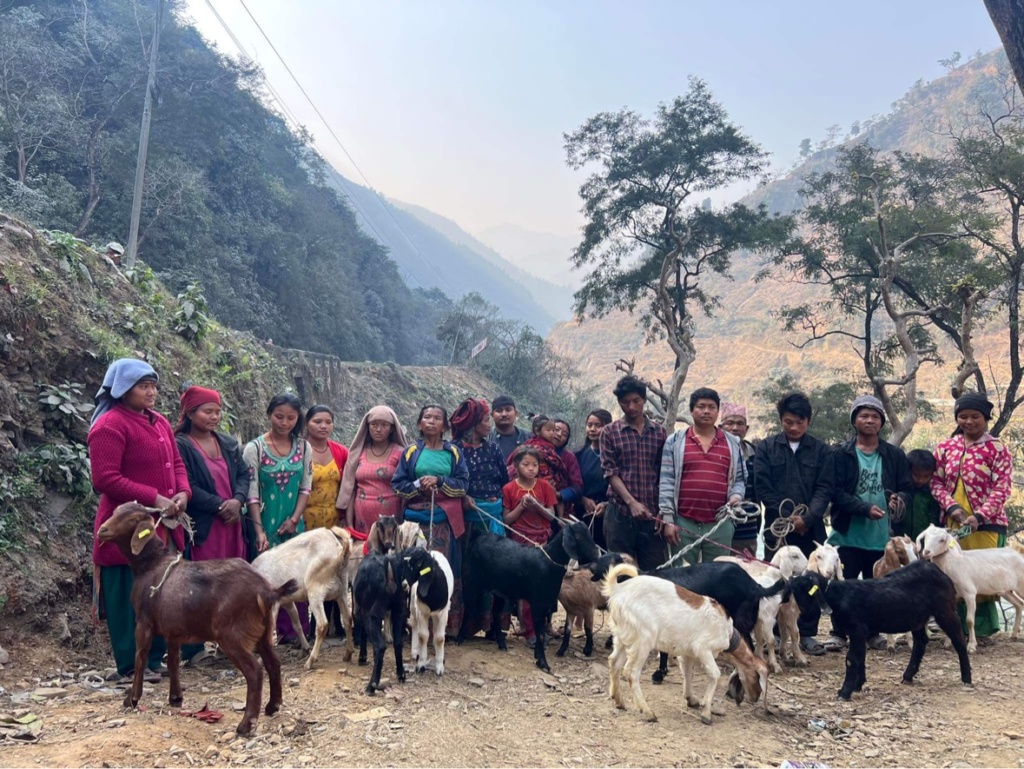
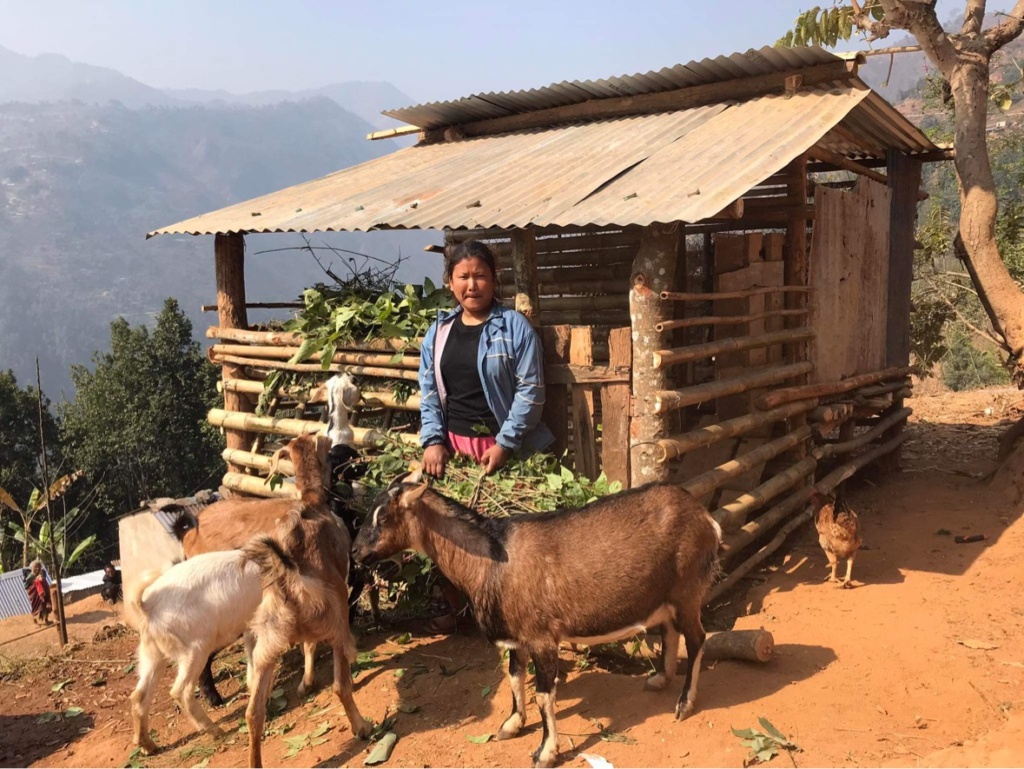
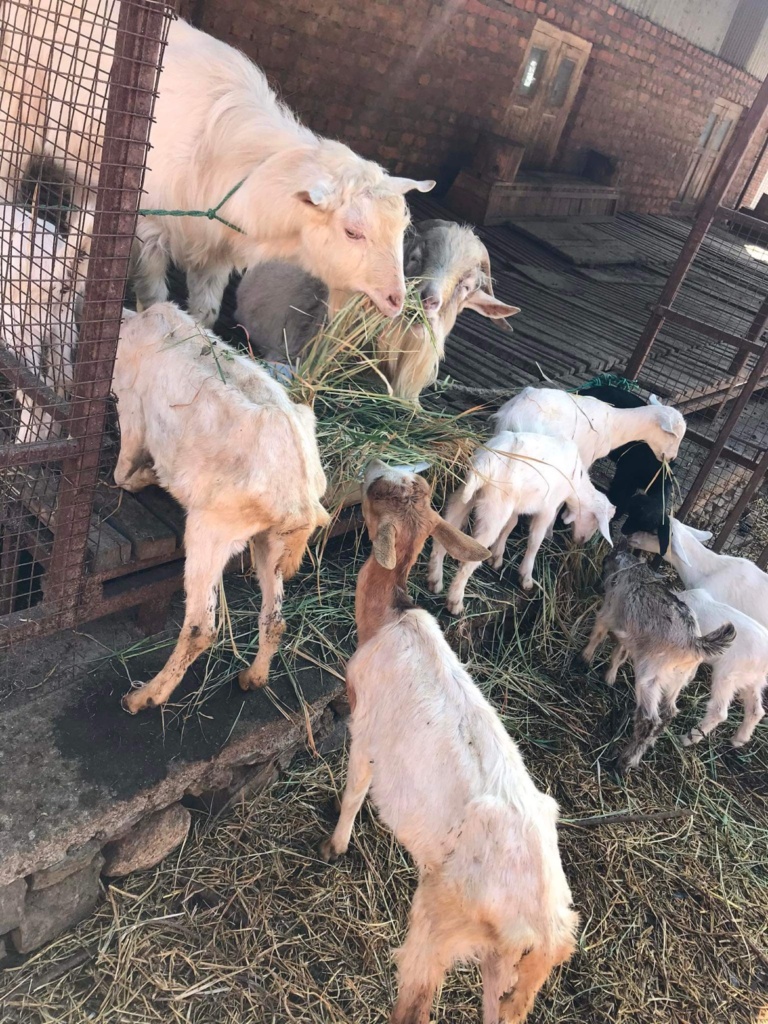
Almost two years ago, we were able to launch this special project in the village of Chepang: 58 goats were given to 58 families as start-up aid for food security and their own income. Today, we are delighted to see that the first milestone has been reached.
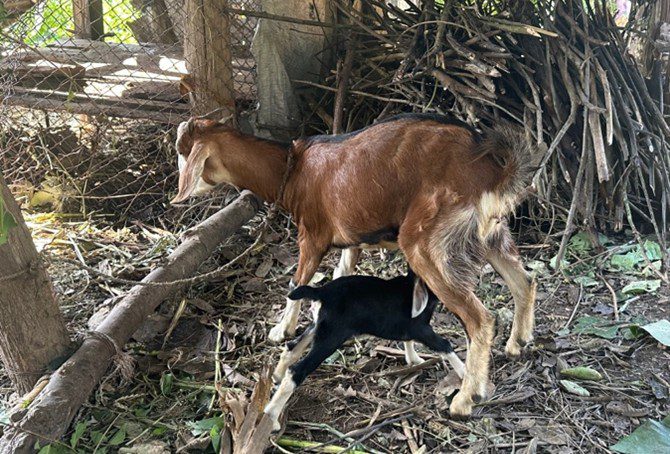
Since then, 56 healthy young goats have been born and passed on to other families as part of the project. Two kids are still small and with their mother; they will be handed over as soon as they are big enough. In this way, the aid continues to grow step by step – from family to family, and hopefully from generation to generation.
Goat breeding is intended to help strengthen the independence, sense of responsibility, and economic stability of the families. We will continue to accompany and support the families wherever necessary to enable a sustainable improvement in their living conditions.
We are very grateful for this success – and for everyone who made this project possible.
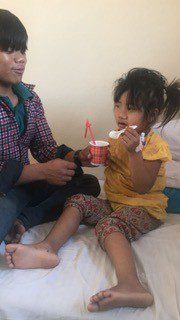
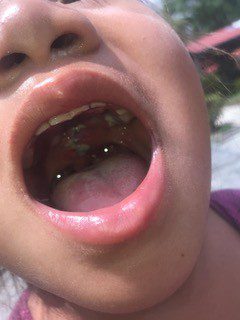
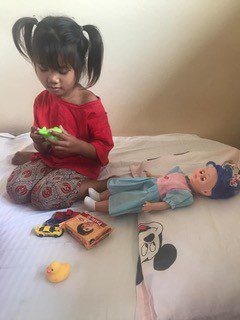
Five-year-old Aksha Chepang was born with a cleft palate. Because of this condition, she faced challenges in her education, as well as difficulties in speaking and eating properly. During a field visit, the Tara Namaste Foundation (TNF) met Aksha and promised her family to help her receive the medical treatment she needed.
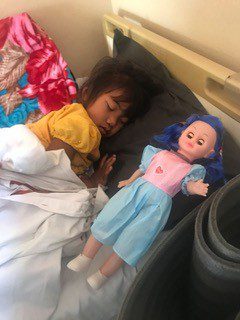
With the kind support and coordination of Dr. Prakash Kalika Pudasaini, and with the help of Sushma Koirala Memorial Hospital in Sankhu, Kathmandu, Aksha underwent a successful cleft palate surgery. After 13 days of care at the hospital, Aksha and her father returned home with joyful hearts and bright smiles.
We are deeply grateful to everyone who helped make this life-changing journey possible. A special thank you to Dr. Prakash; Surgeon Dr. Manohar Yadav; Anaesthetist Dr. Christiane; and the entire team at Sushma Koirala Memorial Hospital. We also extend our sincere thanks to Dr. SSB, MKY, RB, and Michaelfor their ongoing support and collaboration.
This was just thefirst surgery, Aksha will need two more surgeries for the complete treatment of her cleft palate. The Tara Namaste Foundation will continue to cover all medical costs to ensure she receives the full treatment and a brighter future.
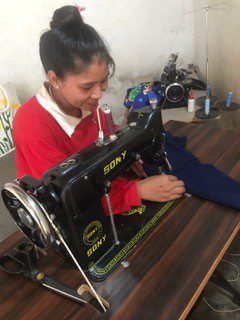
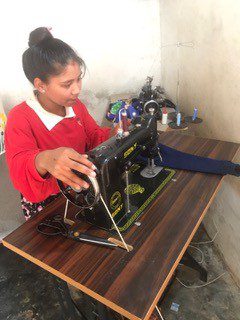
Kumari lives in our Chepang community with her husband and 7-year-old daughter. She is a housewife and her husband is a laborer with an irregular income. To feed her family, she grows seasonal vegetables and raises goats. She is also the team leader of the Beltar Group (Beltar goat breeding group). Kumari is honest, hardworking, and always interested in discovering new opportunities for her family and her community. That’s how she came up with the idea of a tailor shop.
There are no local tailors who make clothes in the entire community. So we supported her idea and enabled her to train as a tailor.
Kumari began her tailoring training in March 2025 and has now successfully completed it. She is eager to establish herself in this field. To do so, she needed the appropriate equipment, such as a sewing machine and accessories. Tara Namaste helped make this possible, and she is now looking forward to starting her small business.
Kumari now has the opportunity to establish herself in the tailoring trade and contribute to her family’s livelihood in a sustainable way. This is a positive example of individual direct aid for all involv ed.
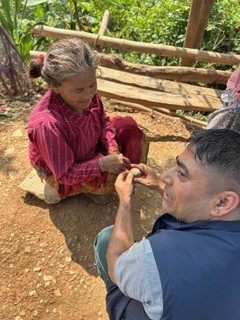
Our visit to Chepang Village was marked by noticeable changes, open encounters, and a great deal of mutual confidence. It is clear to see how the village is developing step by step – driven by the great commitment of the local people and a shared vision for a sustainable future.
Close cooperation with the village community is particularly important to us. We want to develop the village not for, but with the people, strengthening their independence and creating long-term prospects.
An impressive example of this is our goat project: two years ago, 58 goats were given to 58 families. Since then, 56 young goats have been successfully passed on to other families. This snowball effect shows how sustainable the project is – income, food security, and responsibility are growing together.
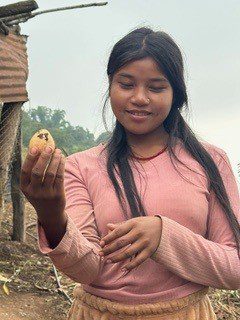
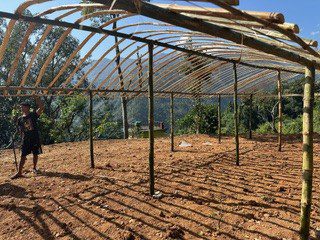
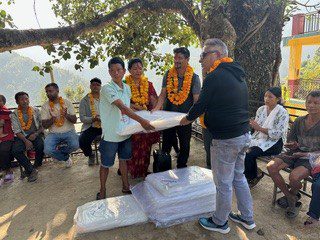
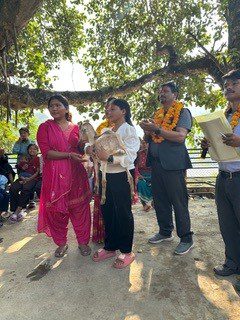
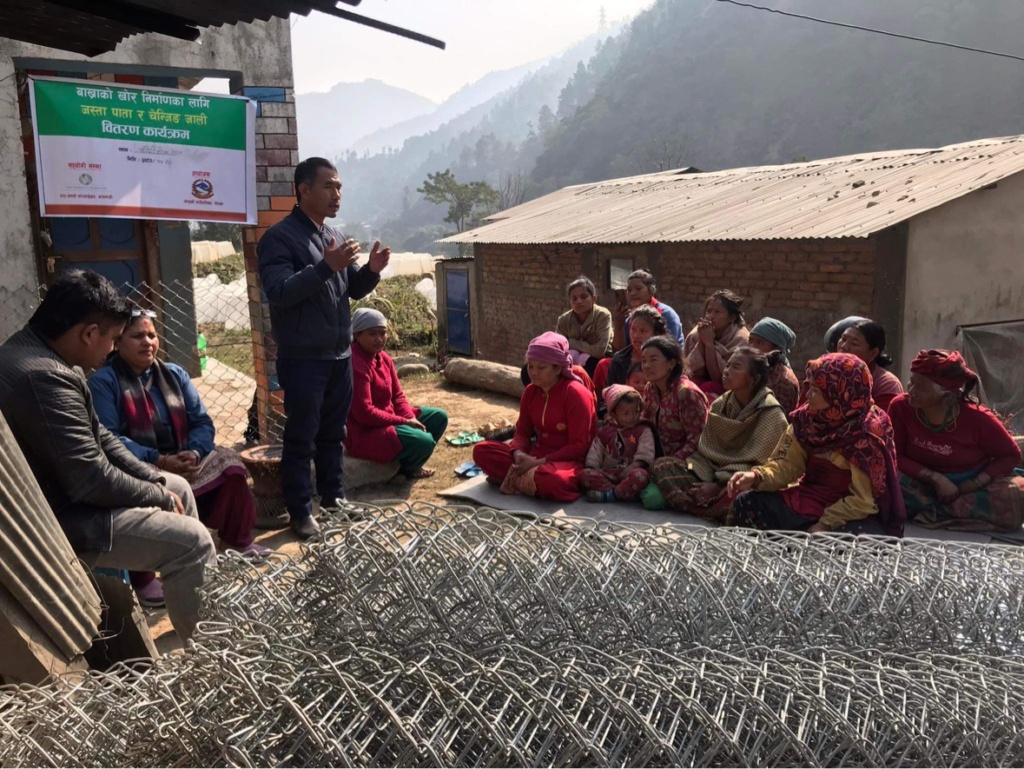
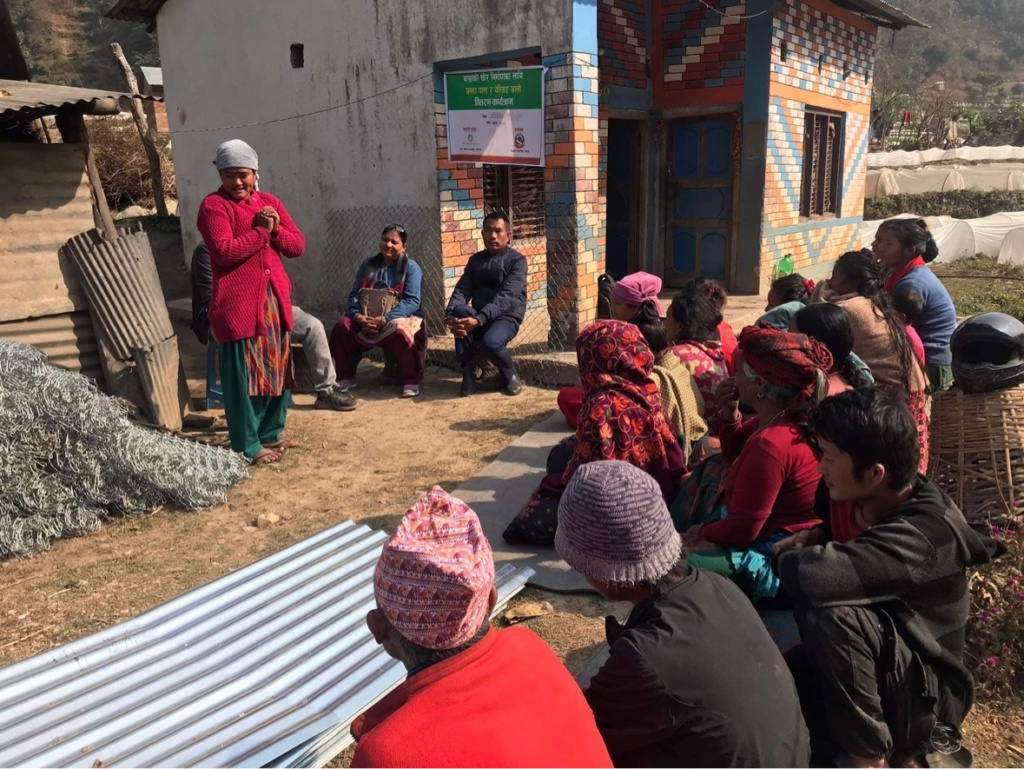
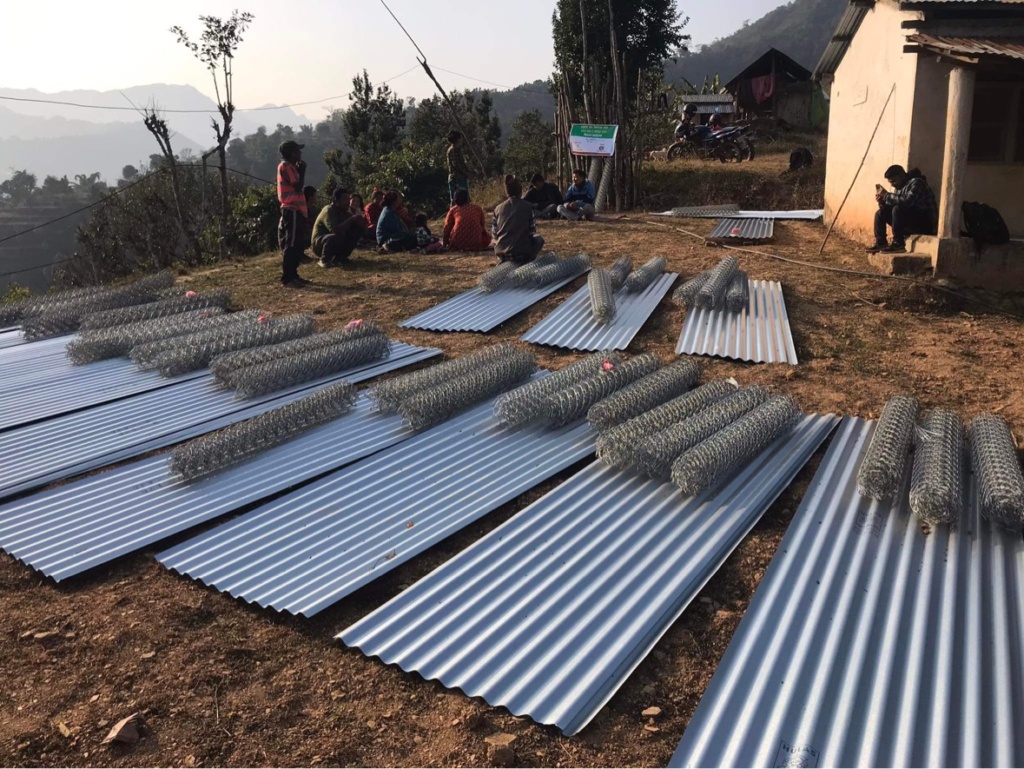
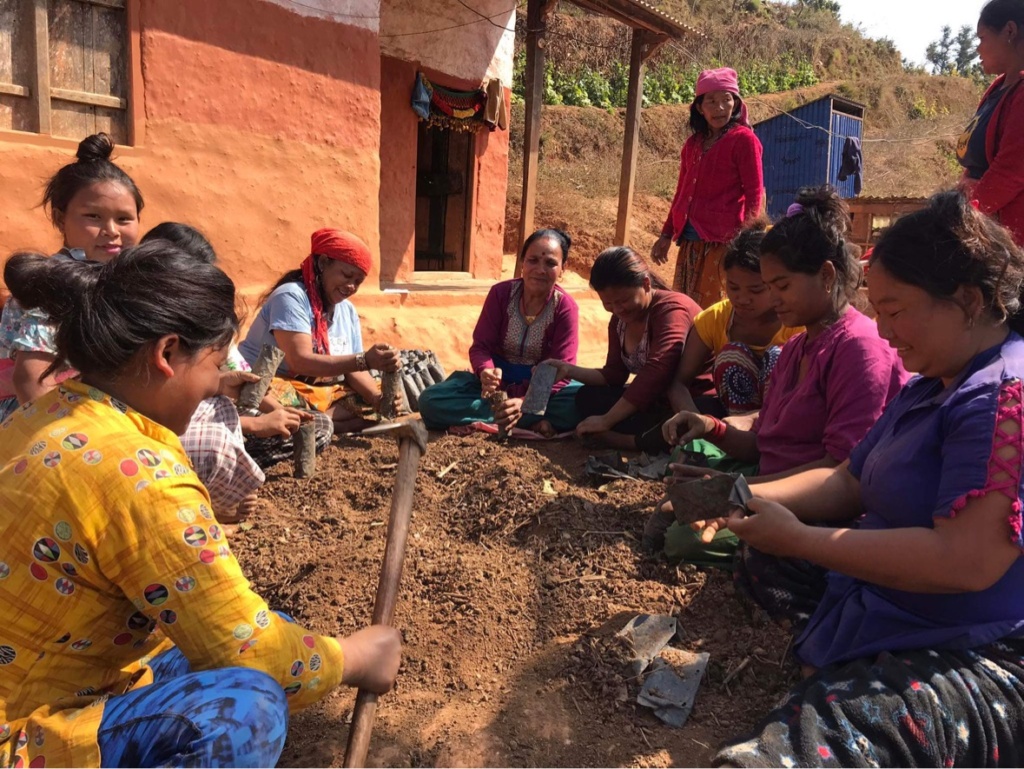
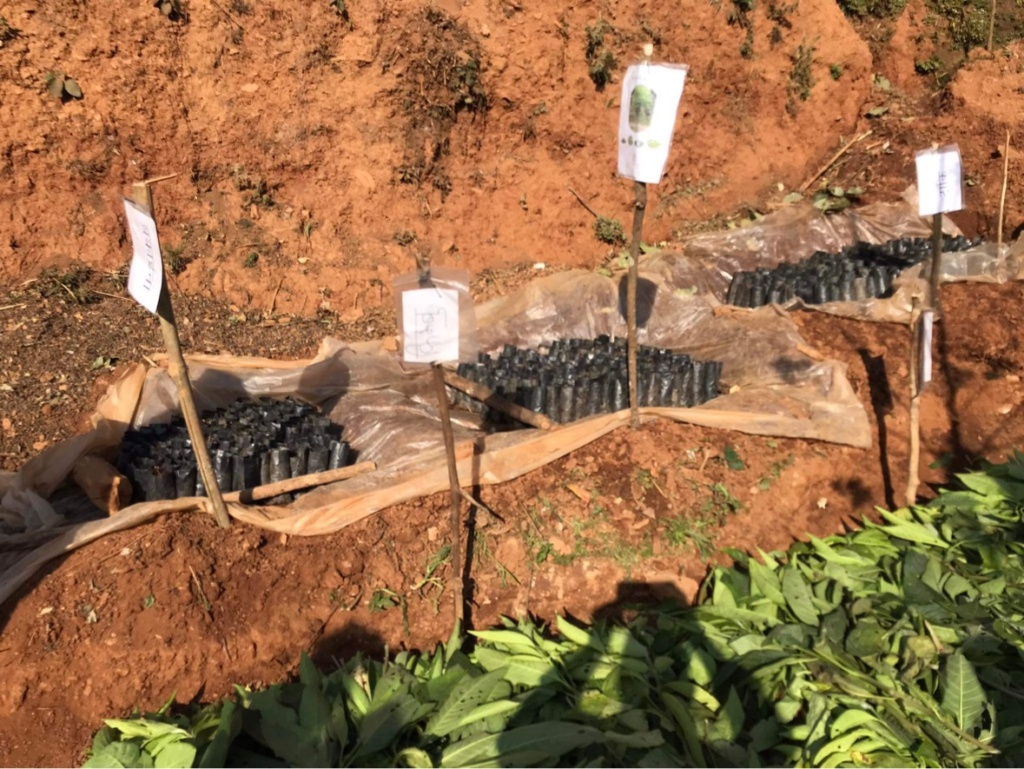
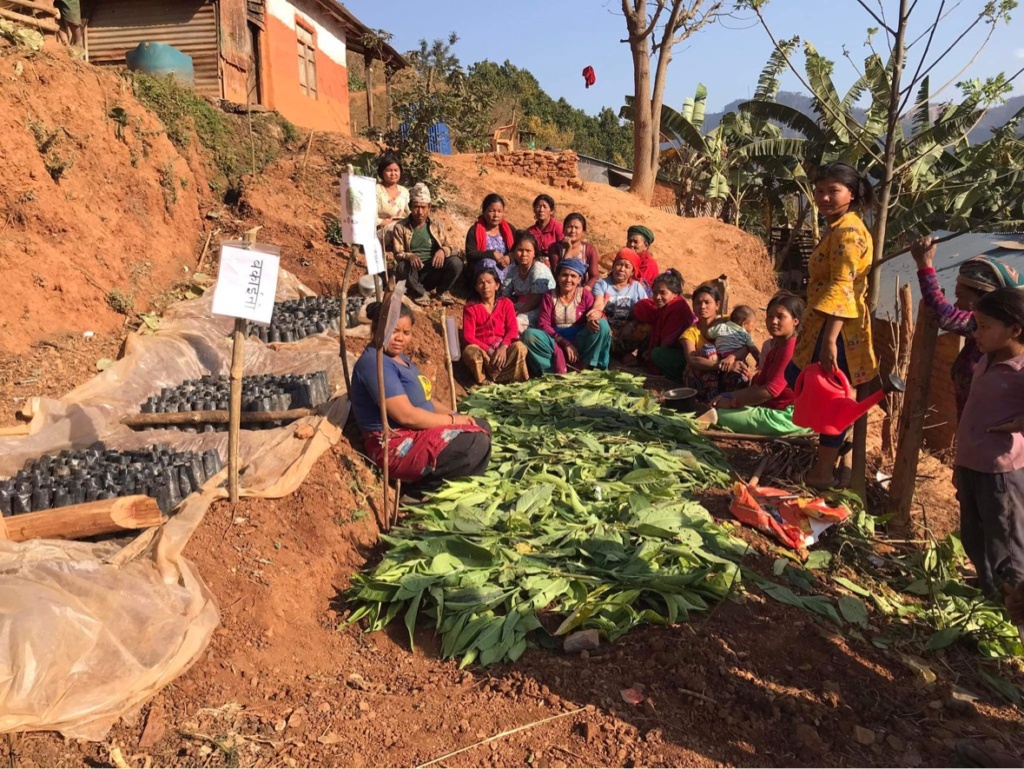
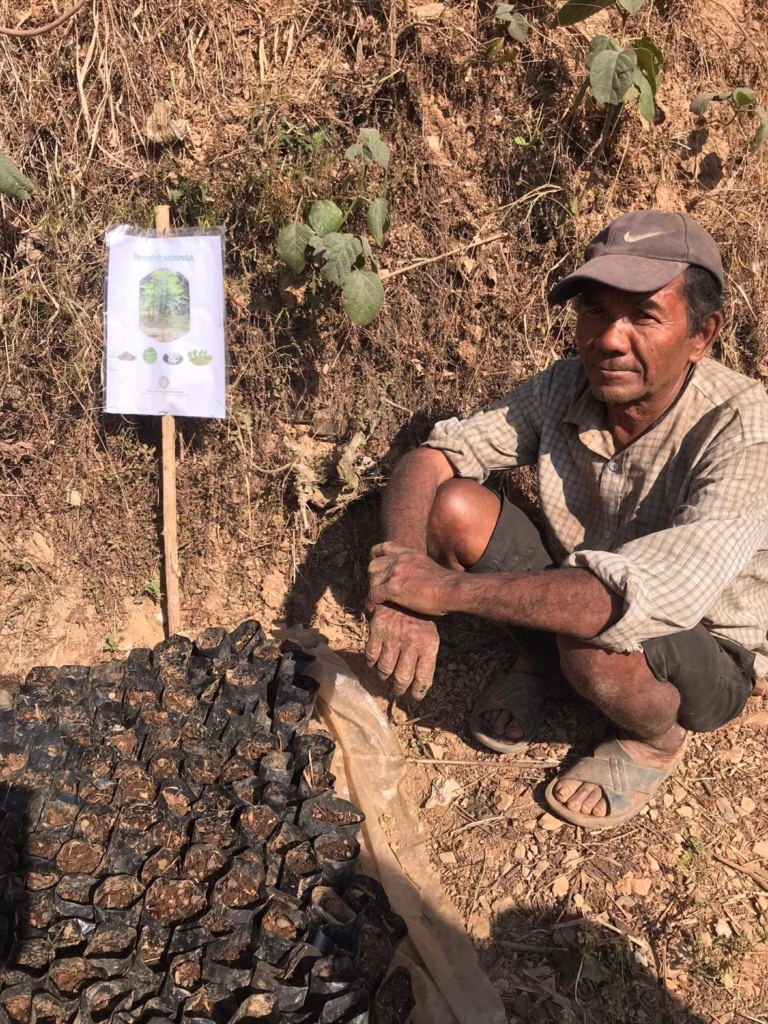
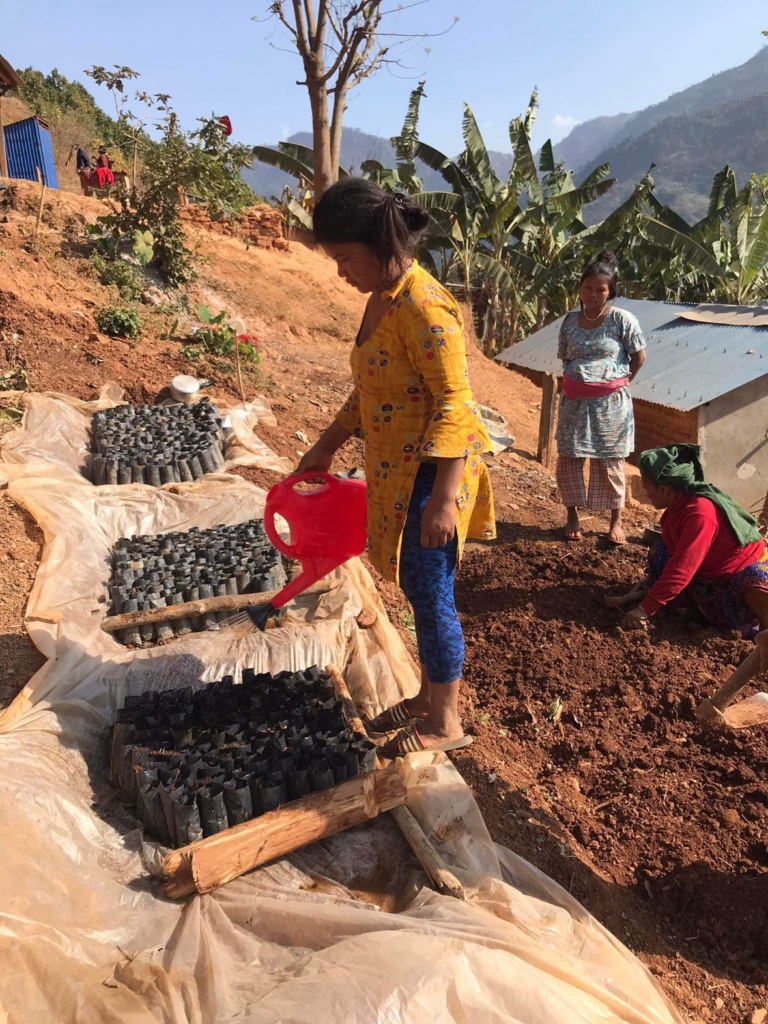
In agriculture, too, we are working together to secure the future. During our visit, we launched two pilot projects: 110 avocado seeds were distributed and eight families were given covers for plastic tunnels, which make cultivation more resistant to the effects of climate change. These measures are intended to improve agricultural production, secure harvests, and create new income opportunities – even under increasingly difficult climatic conditions.
In this way, we are jointly exploring new avenues in agriculture. Their development is being carefully monitored so that we can learn from the experience and, if the results are positive, enable other families to benefit.
We were deeply impressed by the openness, drive, and hope we encountered in the village. Together with the local people, we want to continue on this path – step by step, sustainably, and with confidence in what can be achieved.
It is hot in this area (34°). We experience first-hand how difficult and arduous life is in the hills of Ghyalchowk, Gorkha District. The impassable paths to the individual houses on the steep slopes are arduous and cause many drops of sweat.
After the goats, the chickens
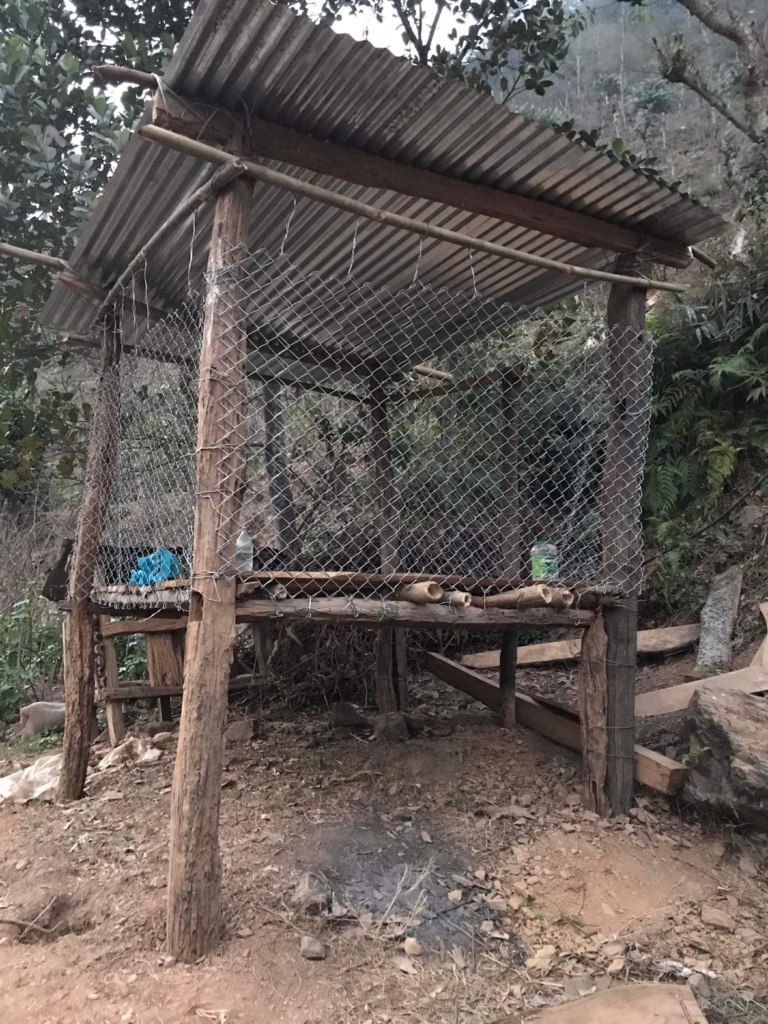
14 Chepang families have been busy over the last few weeks. The houses for the chickens had to be built. The materials were supplied by us, and these families were mobilised to build the coops. They built them themselves with expert advice.
It will primarily be the women’s task to look after the animals. They will be instructed by a representative of the veterinary office on how to feed and medicate the animals and on the necessary vaccinations. The women are committed and interested and look forward to their work as chicken breeders. Regular inspection visits from the expert and group meetings will continue to support them in their work in the future.
The women are also the ones who carry the 50kg sacks of feed, financed by us for the first few months, from down by the river up to their homes. But even with 50kg on their backs, they wring a smile. So much woman power, wow!!!
Then finally the big day arrived when the 2-day-old chicks were delivered. The women are very happy, an exciting time begins for them and gives them something to do in their everyday lives. It is their chance to earn a regular income in the future.
Feedback rounds with ‘goat groups’
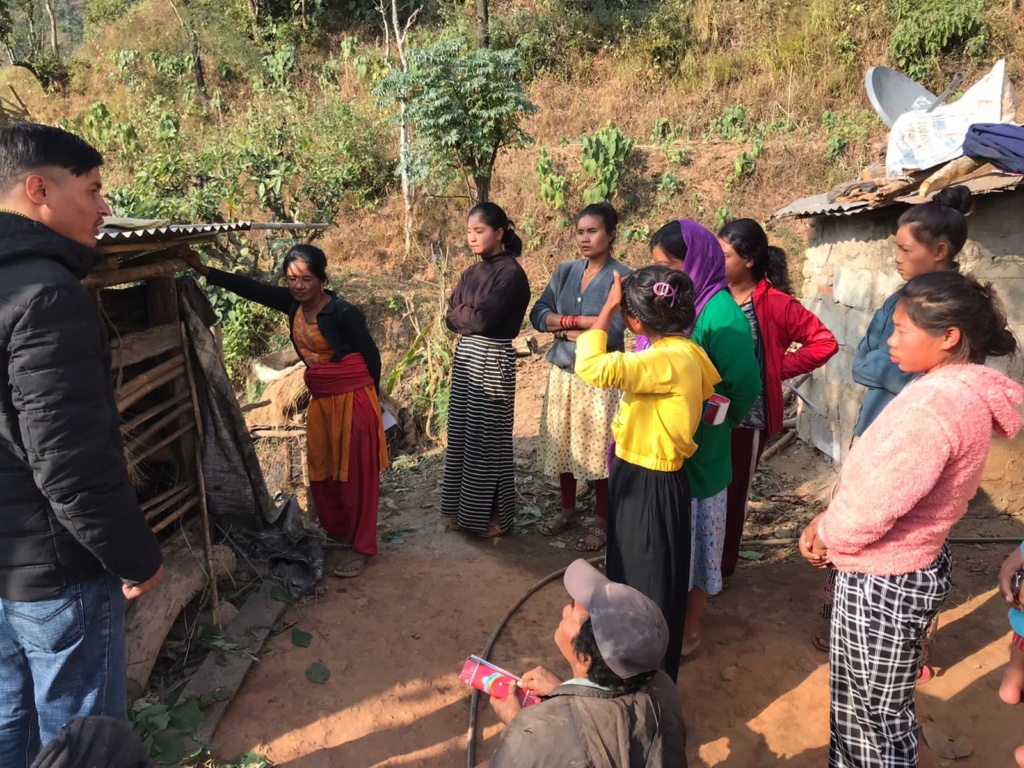
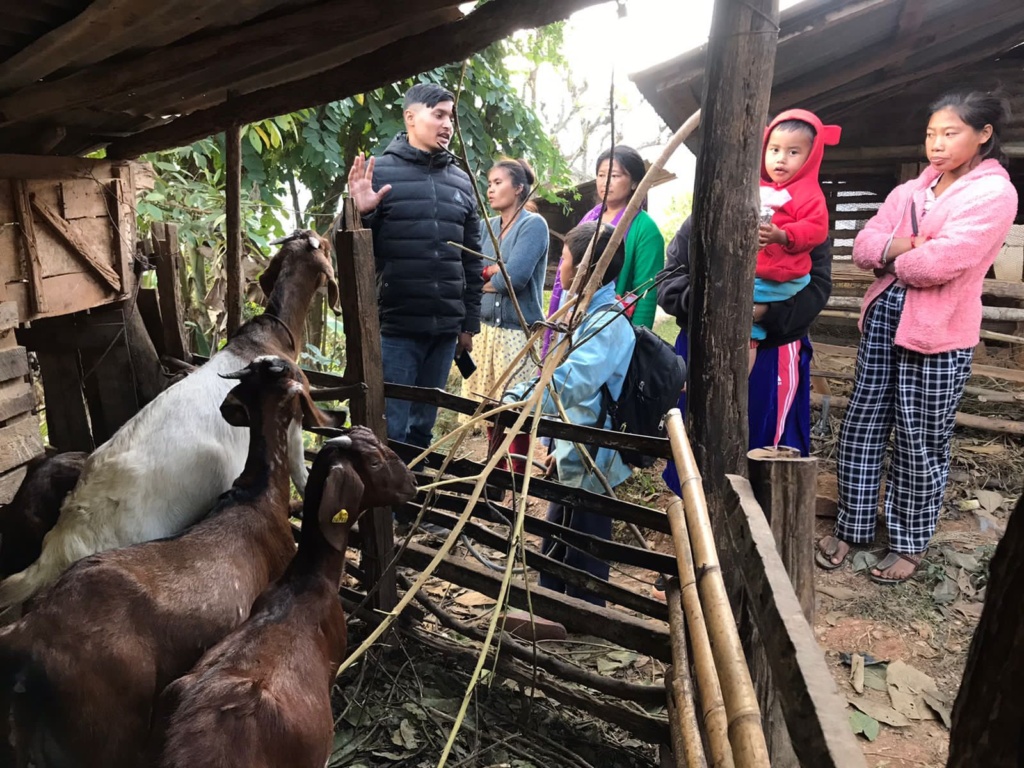
Of course, we also wanted to know how our goat breeders are doing. The animals have been with them since February and are being well looked after – four little kids have already been born. We have received positive and valuable feedback at the group meetings. For example, it is currently not easy to find enough food for the animals in the immediate vicinity. Grass and fodder trees need to be planted in order to have enough food at all times in the future. We have initiated appropriate measures.
These issues will keep us busy in the coming period:
One House One Garden Motivating families to have their own small vegetable garden, including water management
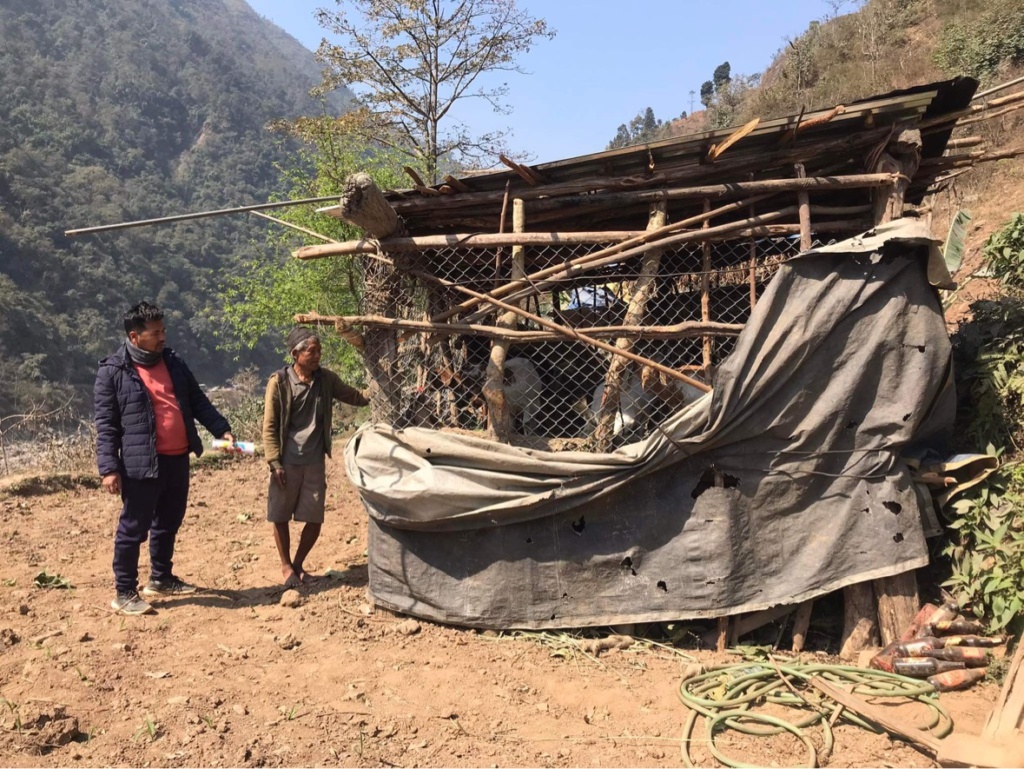
The last few weeks in the Chepang Communtiy have been characterised by impatient anticipation, great excitement, joy and a lot of work. After a long preparation phase, the “goat breeding” project has finally been realised. The families of the first three groups, i.e. 58 families, received their goats. Beforehand, the accommodation for the animals have been renovated or newly built and grass has also be sown to ensure that there is enough food.
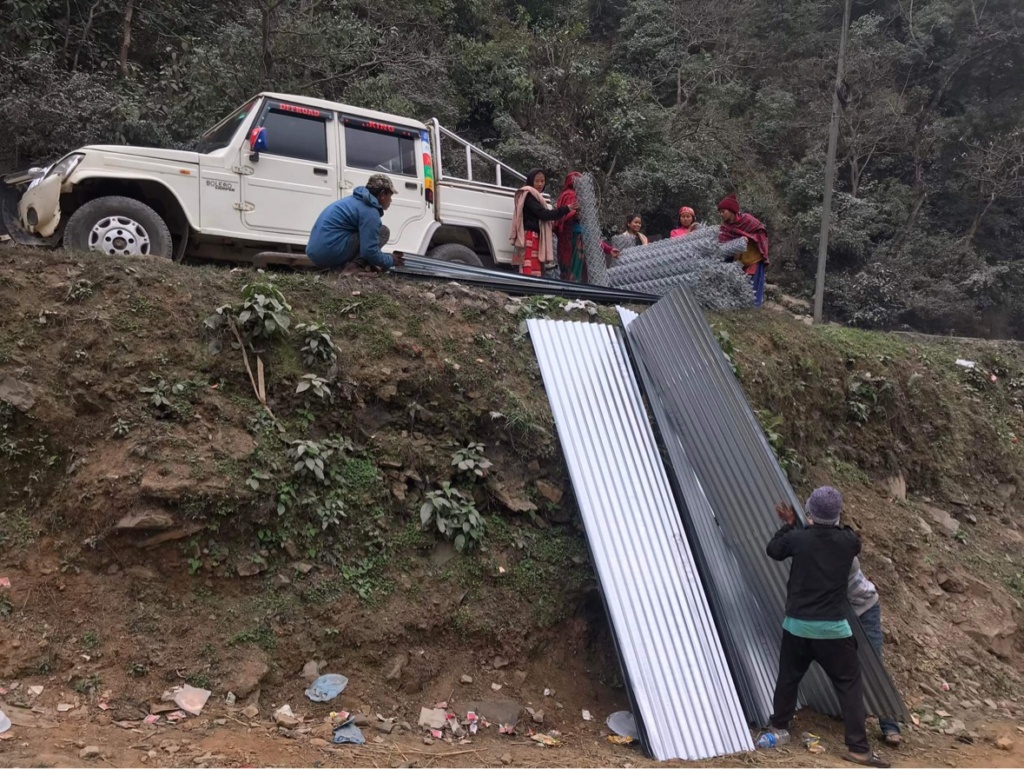
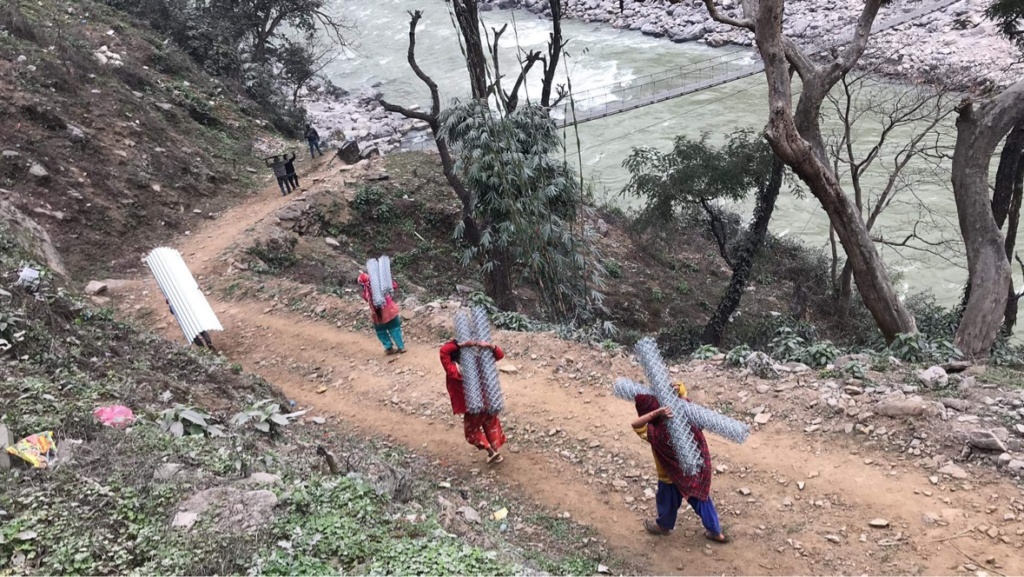
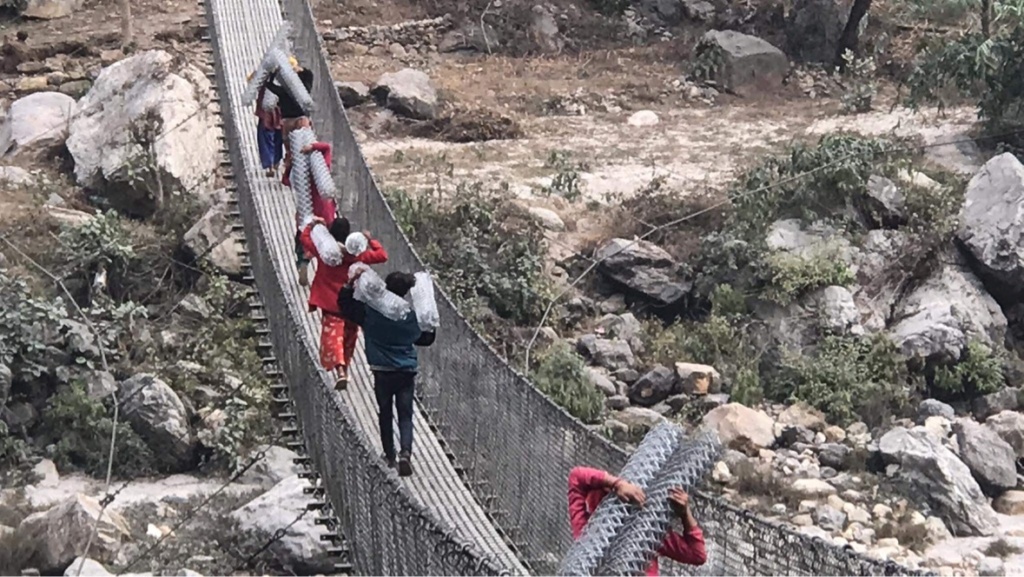
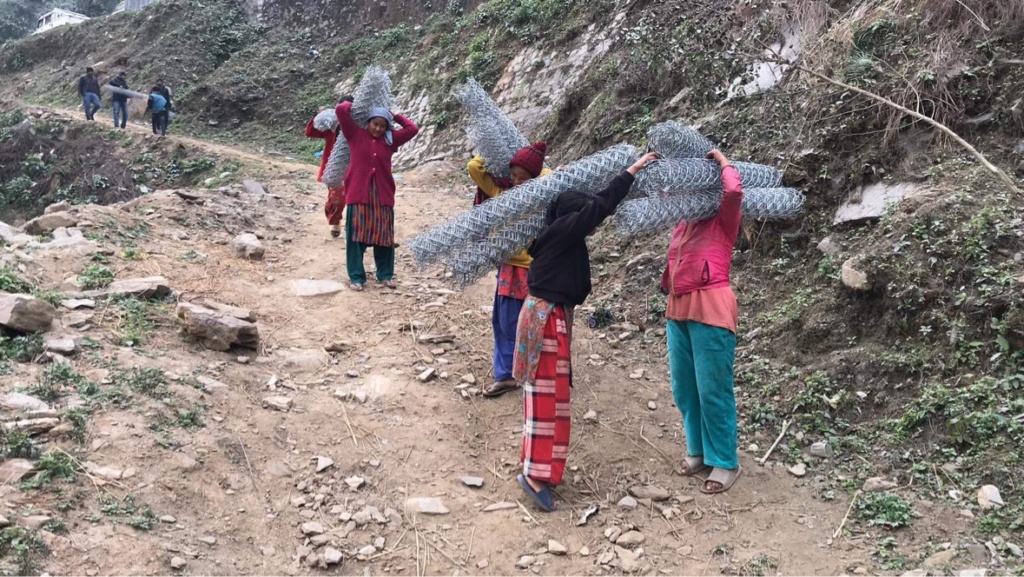
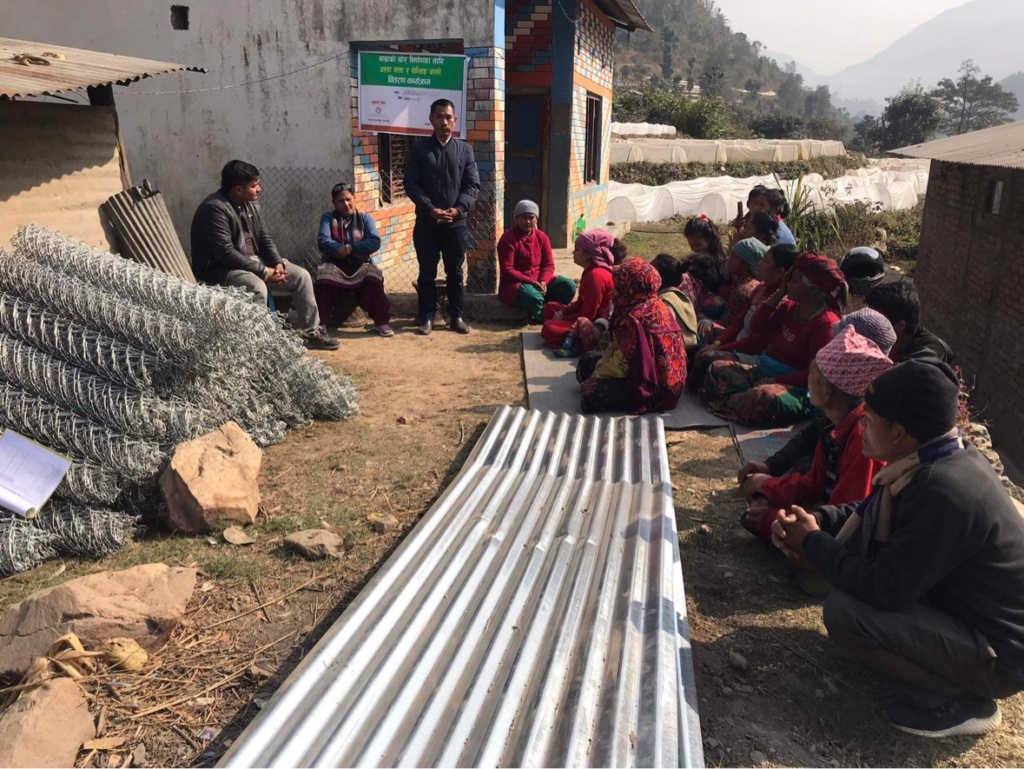
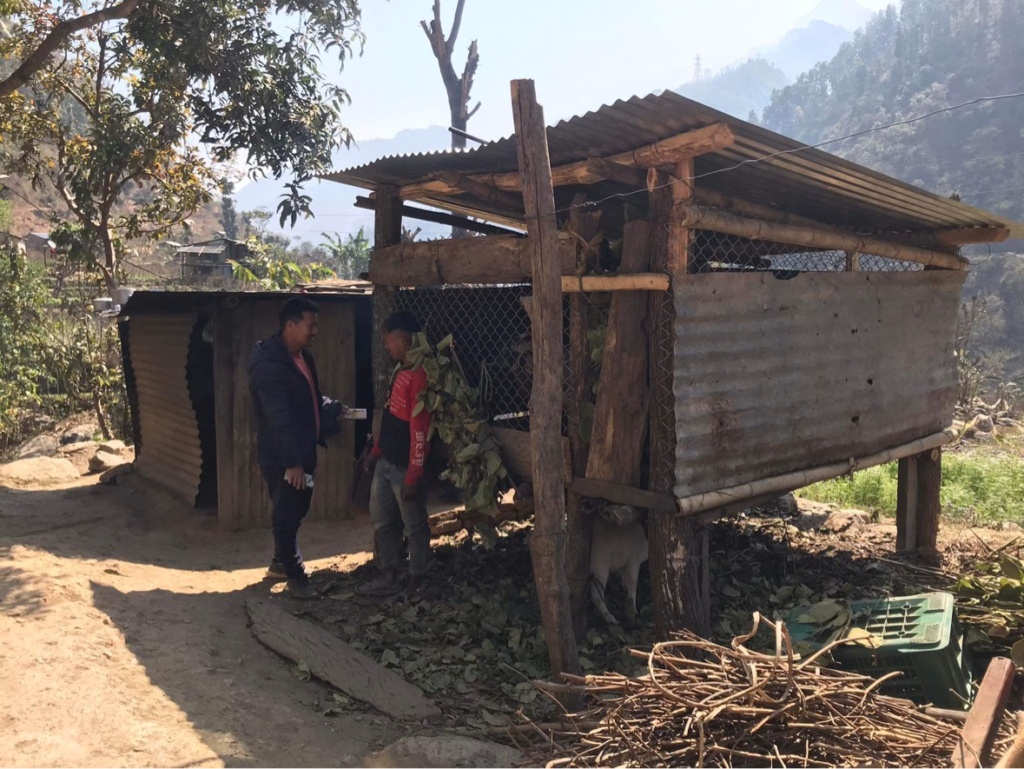
The material for the extension or construction of new stables for the goats was brought close to the village. With a lot of womanpower, fences and corrugated iron roofs were carried over arduous paths to the village and then to the future goat breeders. Under expert guidance, the shelters were built, extended or remodelled in collaboration with the respective owners.
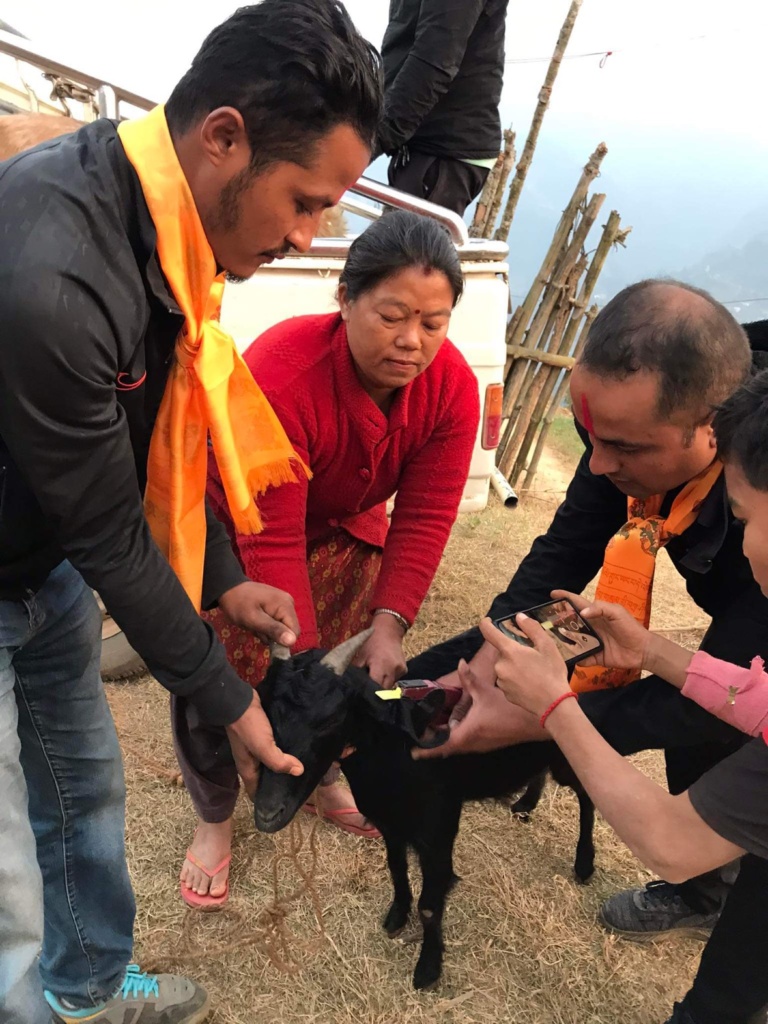
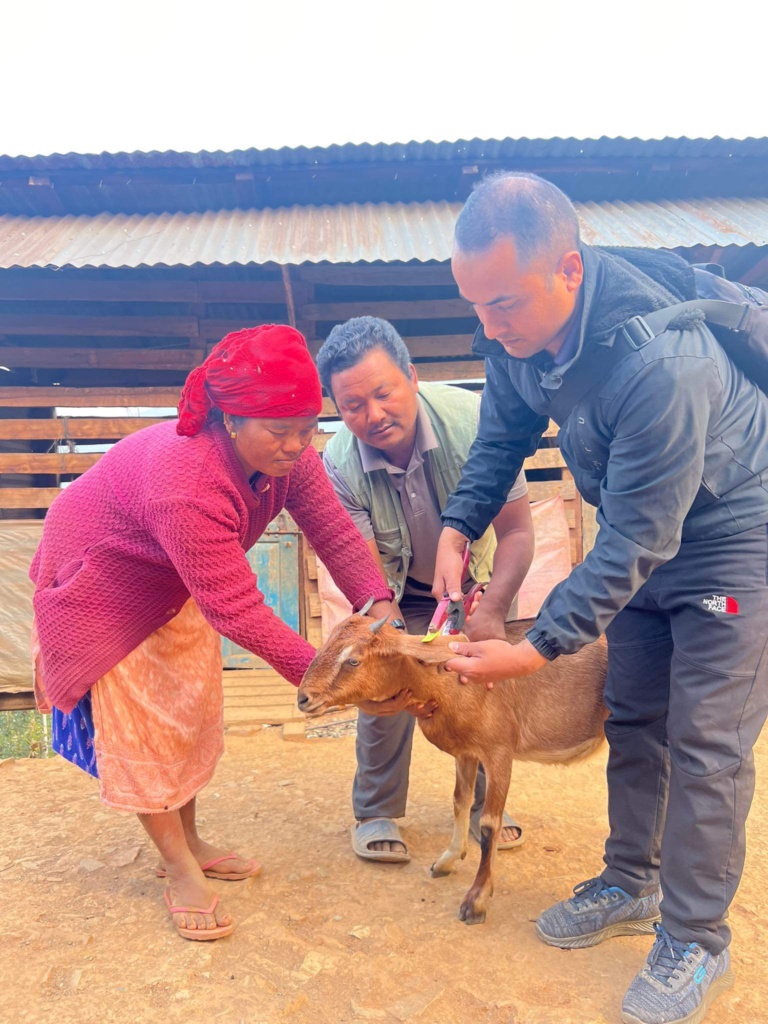
Two weeks later, the time had come: the goats arrived in the village. They were eagerly awaited. The goats are insured, are tagged and then handed over to their families.
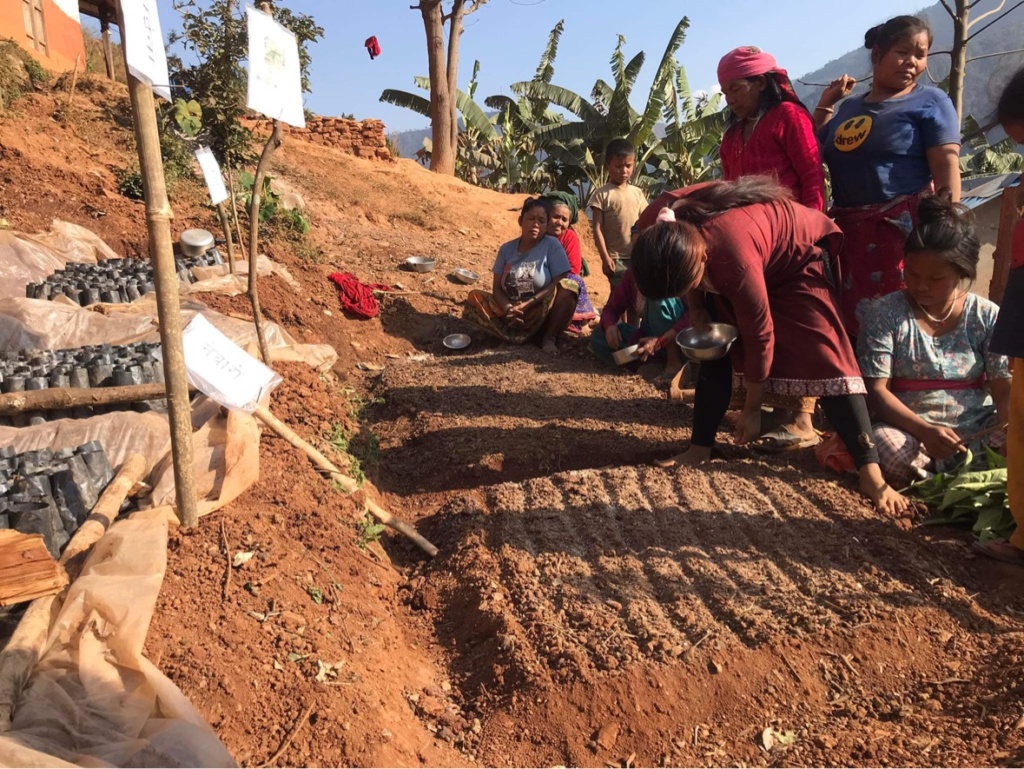
The work of preparing the grass for sowing and the subsequent sowing is a joint effort – everyone who can helps.
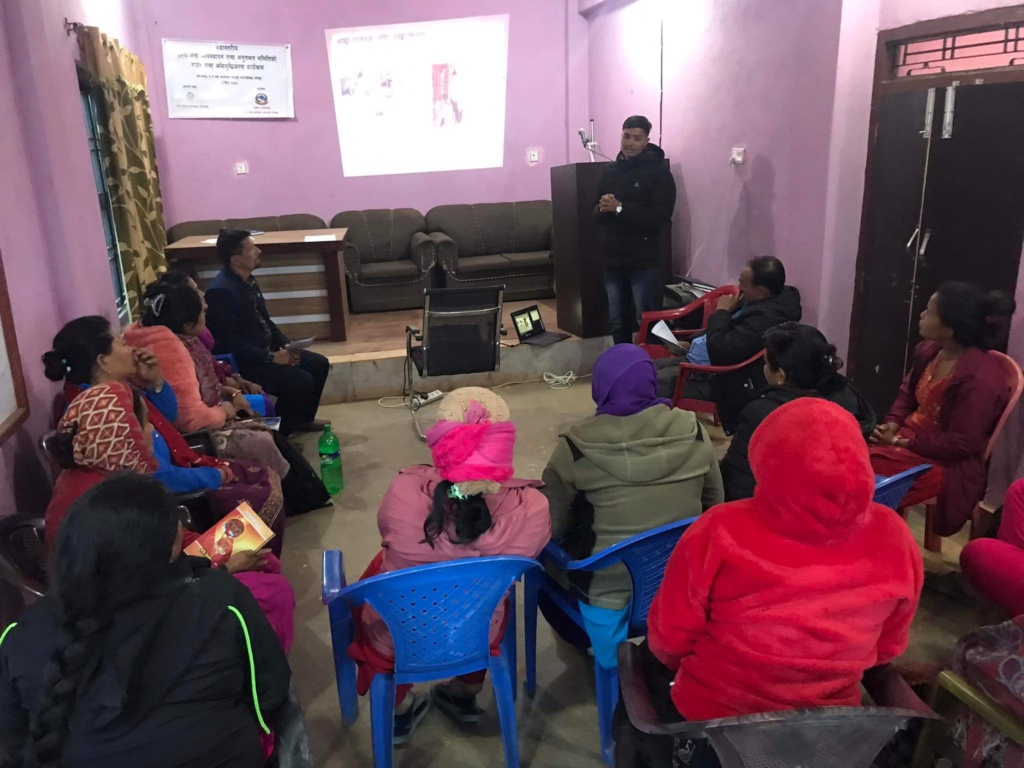
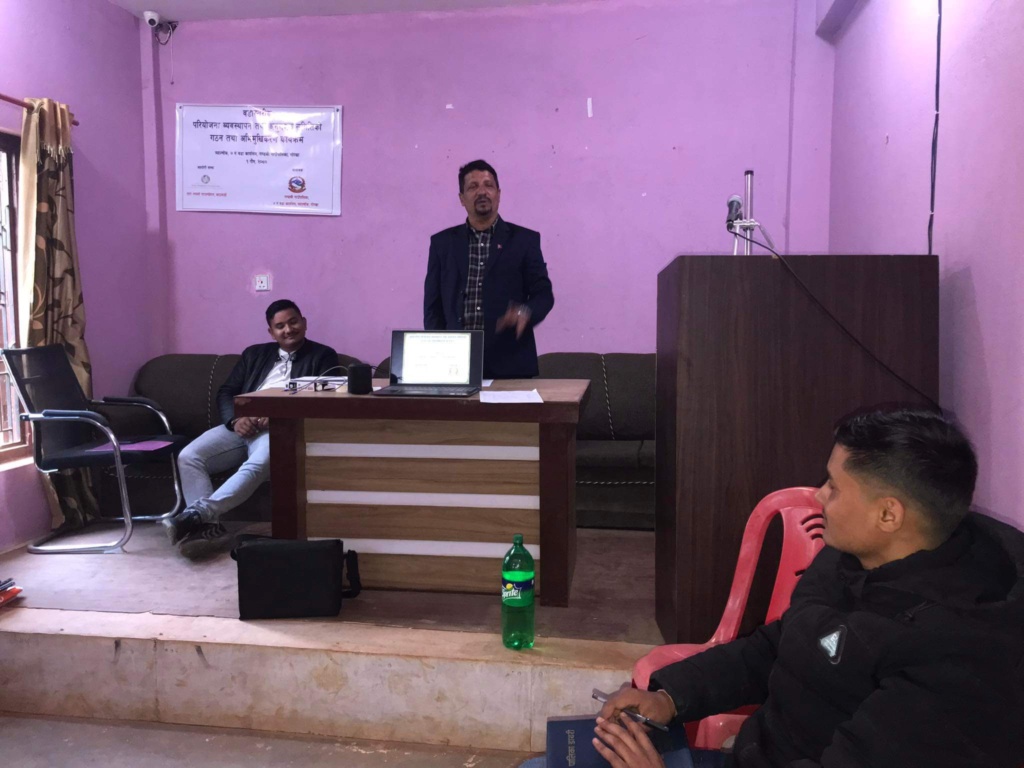
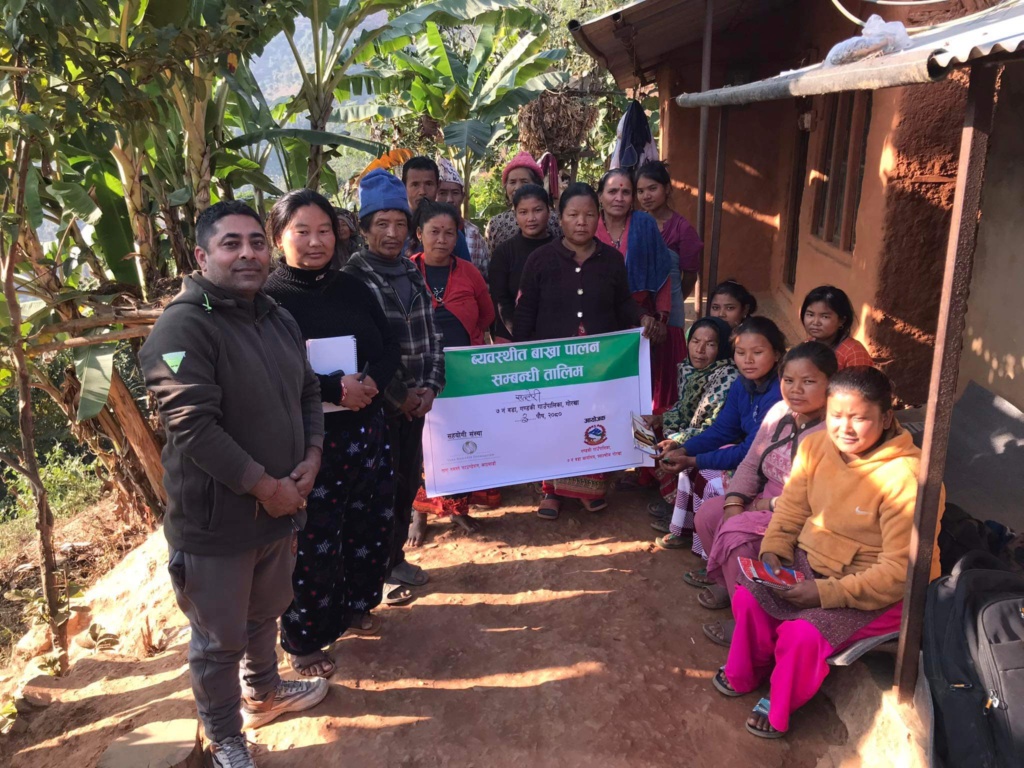
58 members of the first four “goat breeding groups” took part in the training course on commercial goat breeding in December. The participants (10 men, 48 women) were trained by a local livestock development expert on the requirements for goat farming. Topics included animal behaviour, husbandry, feeding, diseases, etc.
A committee of five people was formed from this group. This committee is available to the members of the group for questions relating to goat husbandry, insurance issues and help with the construction of the goat shed.
Before the goats are distributed to the families, the stables must first be repaired or newly built. Quotations were requested for the necessary materials. Once the necessary letter of request has been received from the district office, work can begin.
A project management and monitoring committee was also set up under the leadership of the district chairman. One member from each breeder group, representatives of the Tara Namaste Foundation and the veterinarian also form this committee. This committee will decide on the implementation of the project and will meet every four to six months. At the end of the project period defined by Tara Namaste (3 years in total), this committee will ensure the continuation of the project.
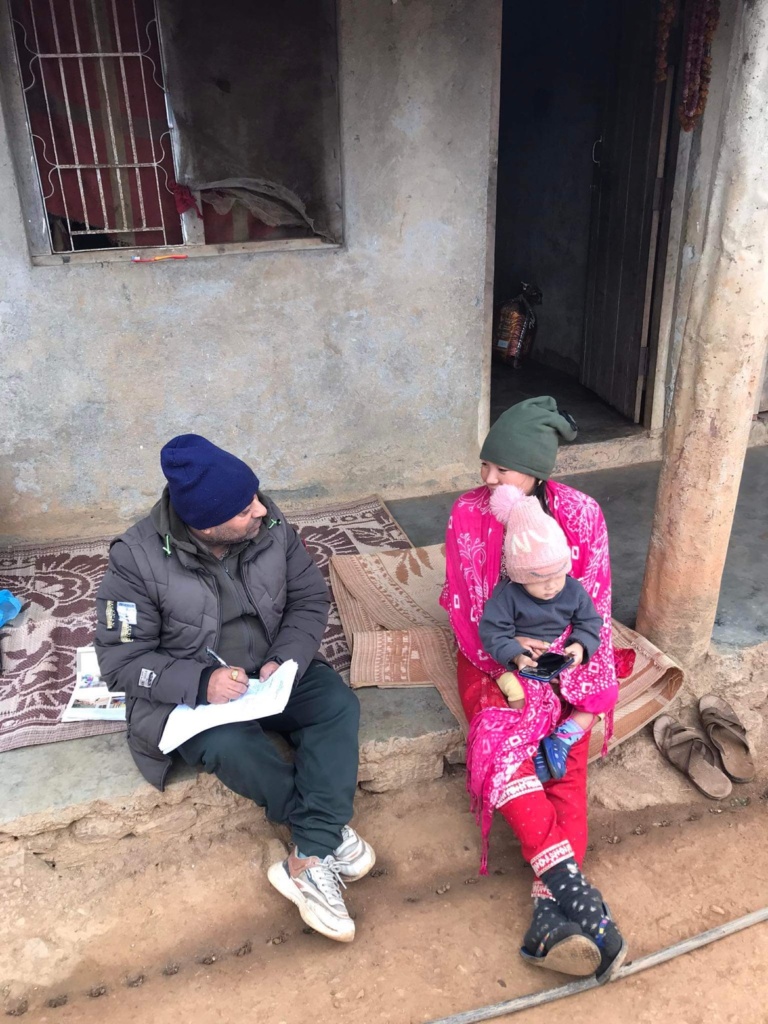
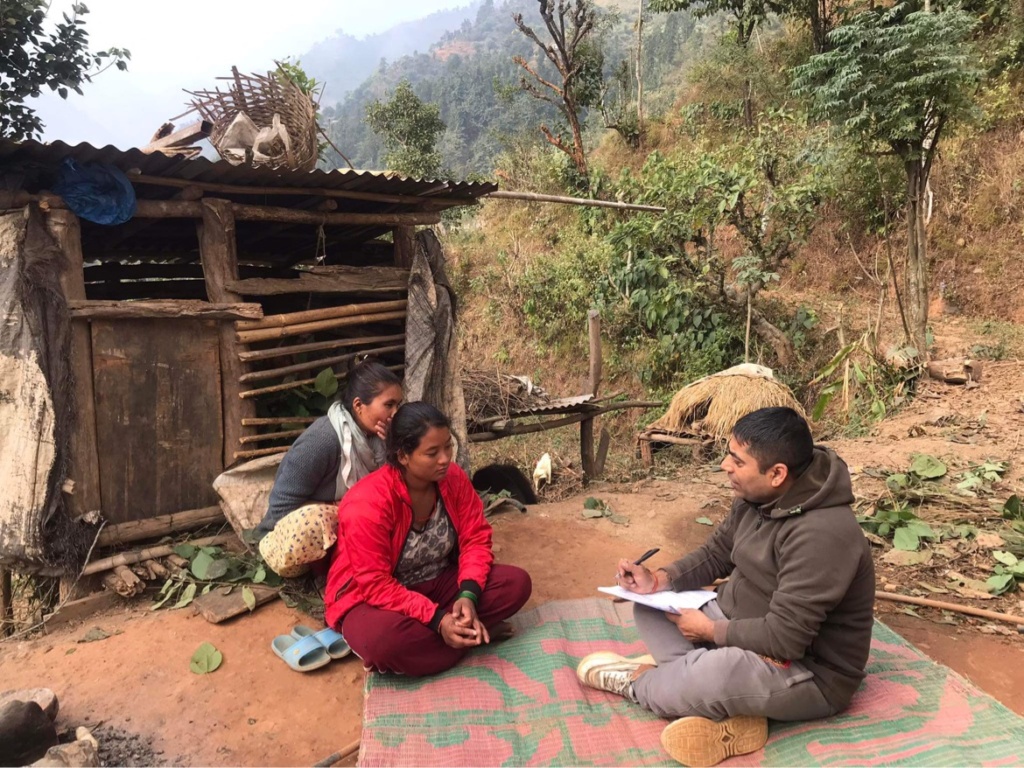
The impact of the project will be evaluated at the end of the project. Seven households from each of the four groups with goats and seven households with chickens were randomly selected for the study in the community. The current status of 28 households has already been surveyed and is now being analysed.
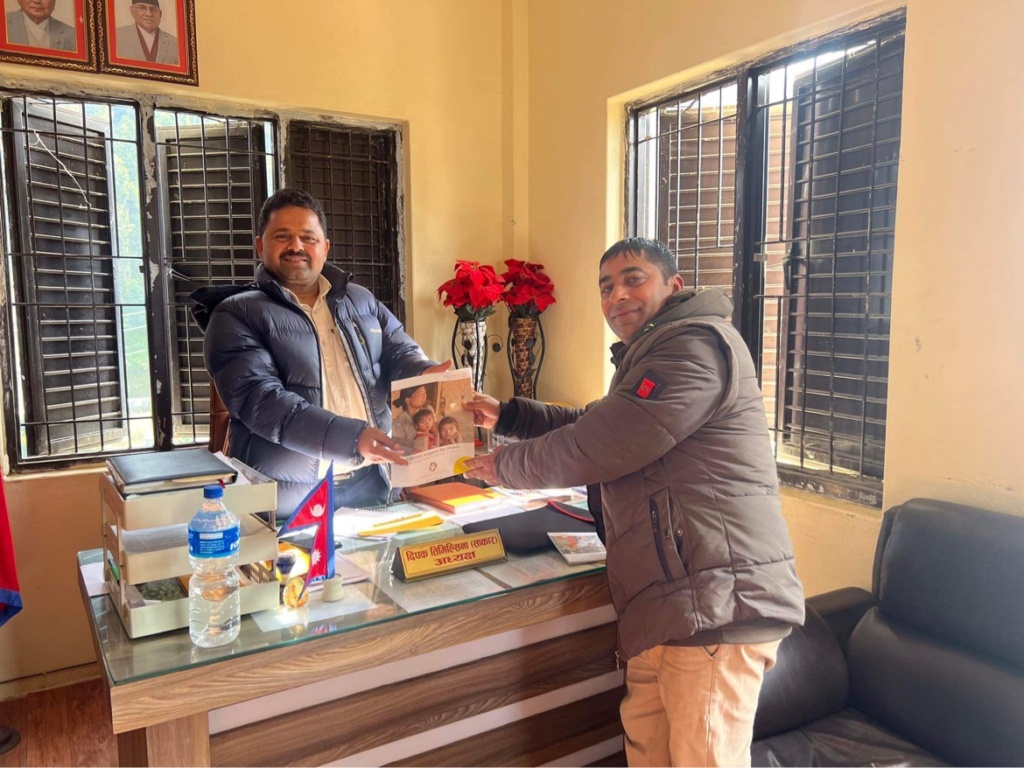
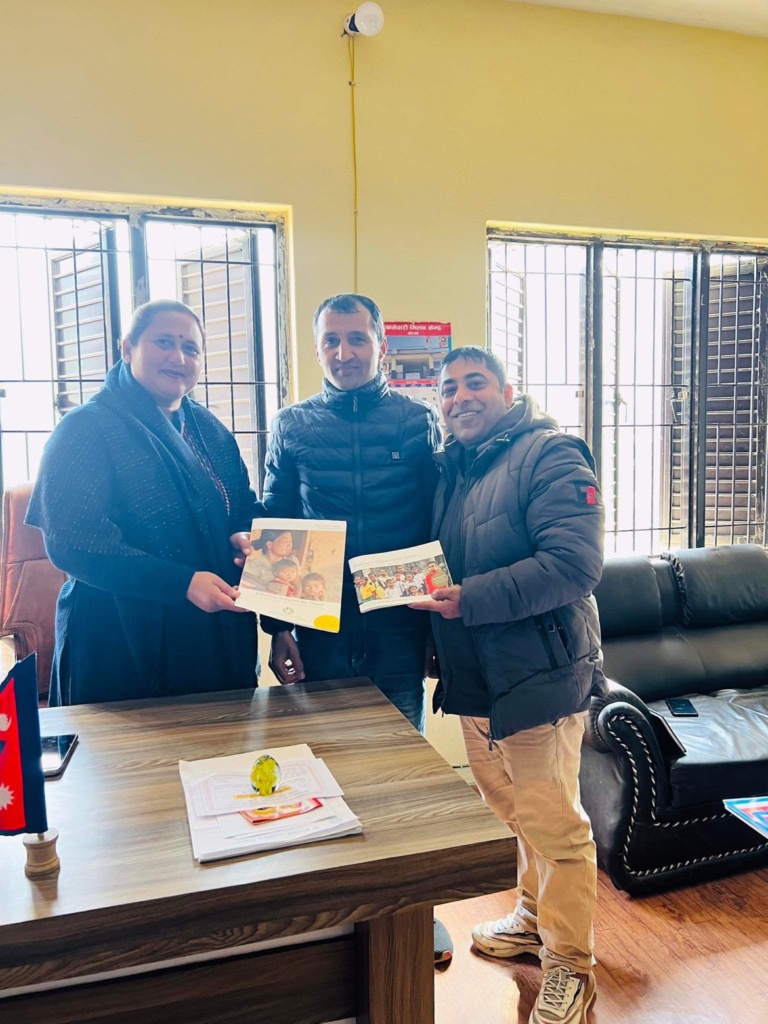
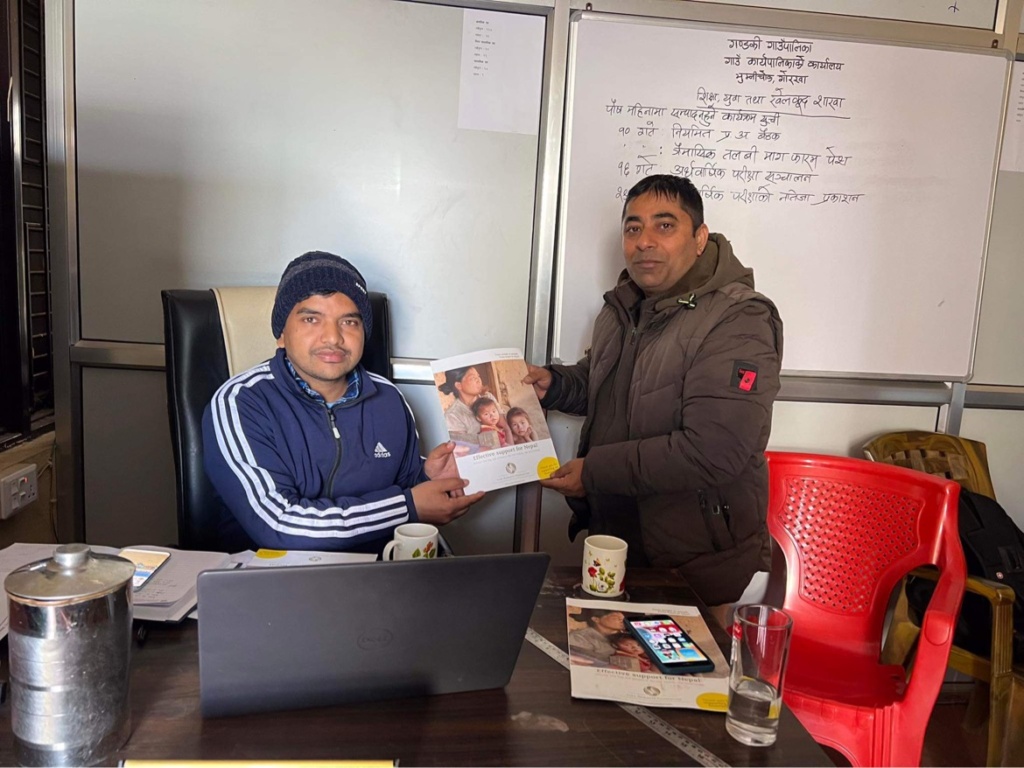
Good networking and liaising with the local authorities is essential. The project has therefore been presented to various representatives of the authorities. We can count on the support of all local authorities.
Various goat farms are currently being visited to find healthy animals. Once the housing for the animals has been completed (February/March), the first goats will be allowed to move in with the families.
Since our visit in October 2023, a number of things have been implemented or initiated in the community.
In order to operate cost-effectively, a competition was organised among local food suppliers with the aim of purchasing high-quality food at the lowest possible price. The right supplier was found and, thanks to the cost savings, the budget is now sufficient to provide the children with an additional egg three Fridays a month and meat once a month.
The women of the Chepangs are basically equal to the men.
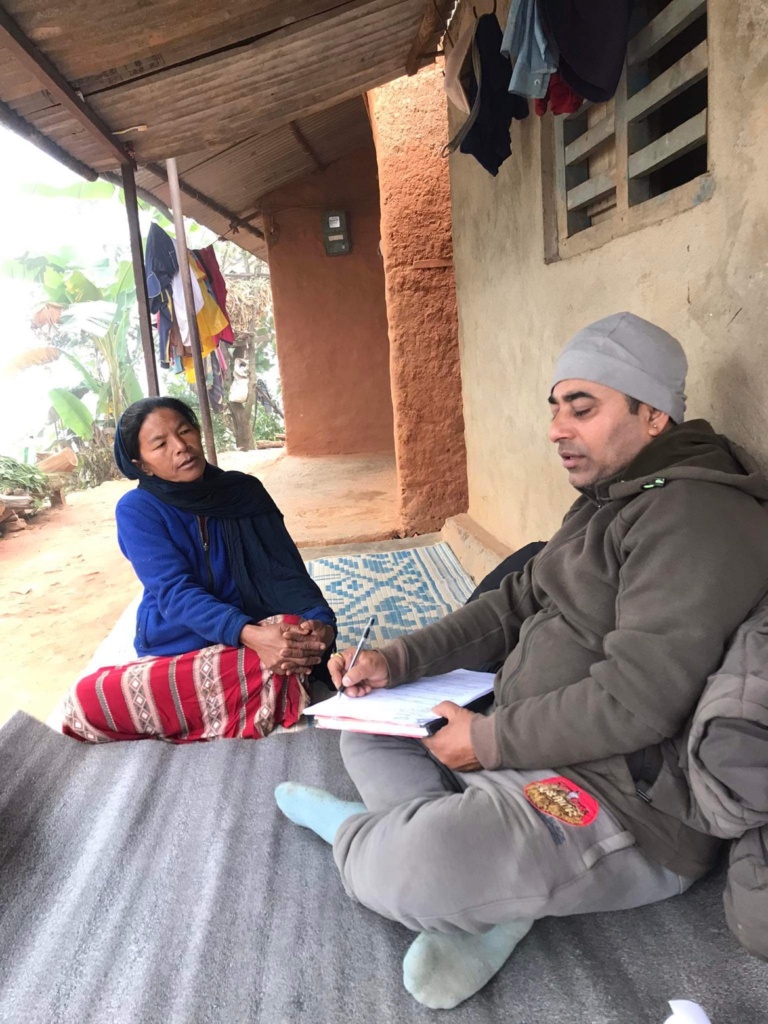
They would like to contribute to the family income, but there is a lack of opportunities in this region. The Tara Namaste Foundation wants to enable them to earn extra income by doing handicrafts at home. This way they do not have to leave the children alone. The women are trained and the necessary tools are provided. We started with macramé work. We have made a start. During our last visit, 18 women learnt to crochet in a week of training. They have already made some attractive potholders and nets, which they will be able to make to order over the next few months. The women are eager and happy to participate, eager to learn new things and happy to earn extra income. We want to look for further opportunities in the future and realise them with them.
After a number of lengthy administrative procedures and the preparation of a detailed project plan and all the necessary paperwork, our joint project is well on the way to being realised.
The submission to the Social Welfare Council has been made – now we have to wait for approval. This should arrive at the end of October/beginning of November. Our goal:
The project will support 130 households in Chepang in coordination with the local rural community in order to improve the economic situation of the community by promoting livestock farming (goats and chickens), building stables for the animals and training community members in appropriate animal husbandry.
Images: First orientation of the population in April 2023
Specifically, this means:
130 selected households will be divided into 9 groups (3 groups for the first year, 4 groups for the second year and 2 groups for the third year). Of the 3 groups in 2023, 2 groups will breed goats and the remaining 1 group will look after chickens. The groups receiving goats are instructed to give one offspring (a kid) of their goats from each participating household to the next group the following year, and from this second year’s goat, the kid must be passed on to last year’s groups. The group taking care of the chickens is not obliged to do so, as only one group is selected for the chickens in the first year. This will be realised together with the local authorities, the livestock owners will be trained by the veterinary service and the municipality will keep a watchful eye on the livestock owners at the beginning. They will sign a declaration of consent.
Each family receives a female goat (a healthy breed with high fertility) for goat rearing. One billy goat per group will be cared for in a selected family – the vet will also carry out regular checks. Before the animals are delivered, the future animal owners will provide suitable accommodation for the animals with our support.
Timetable: Training sessions for the future animal owners and the creation or adaptation of the animal accommodation are planned for November and December. First delivery of animals in February 2024.
The project will be continuously supported and monitored by our staff in Nepal. Refresher training sessions are planned. After two years and nine months, an evaluation will take place and the results and benefits for the population will be analysed.
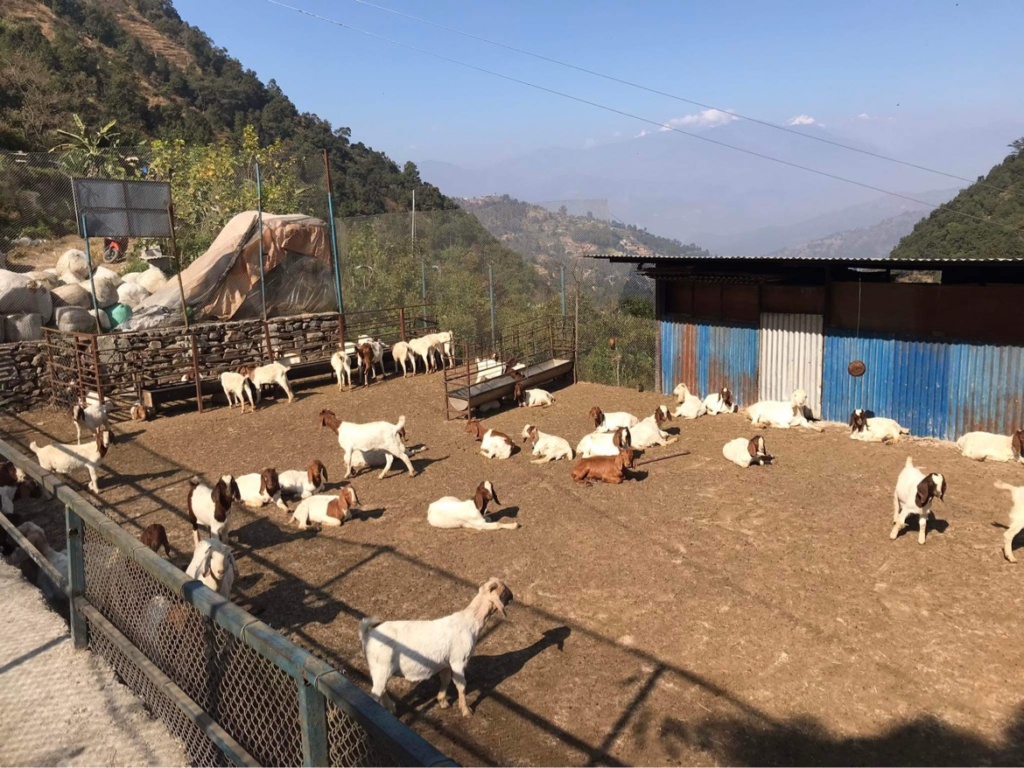
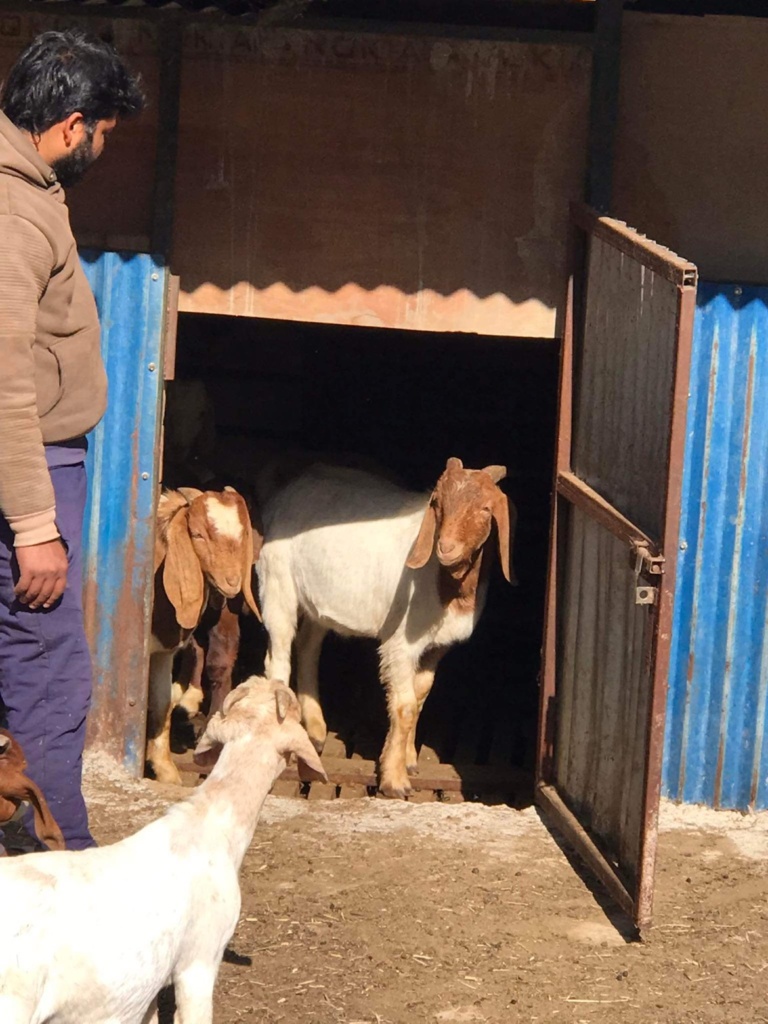
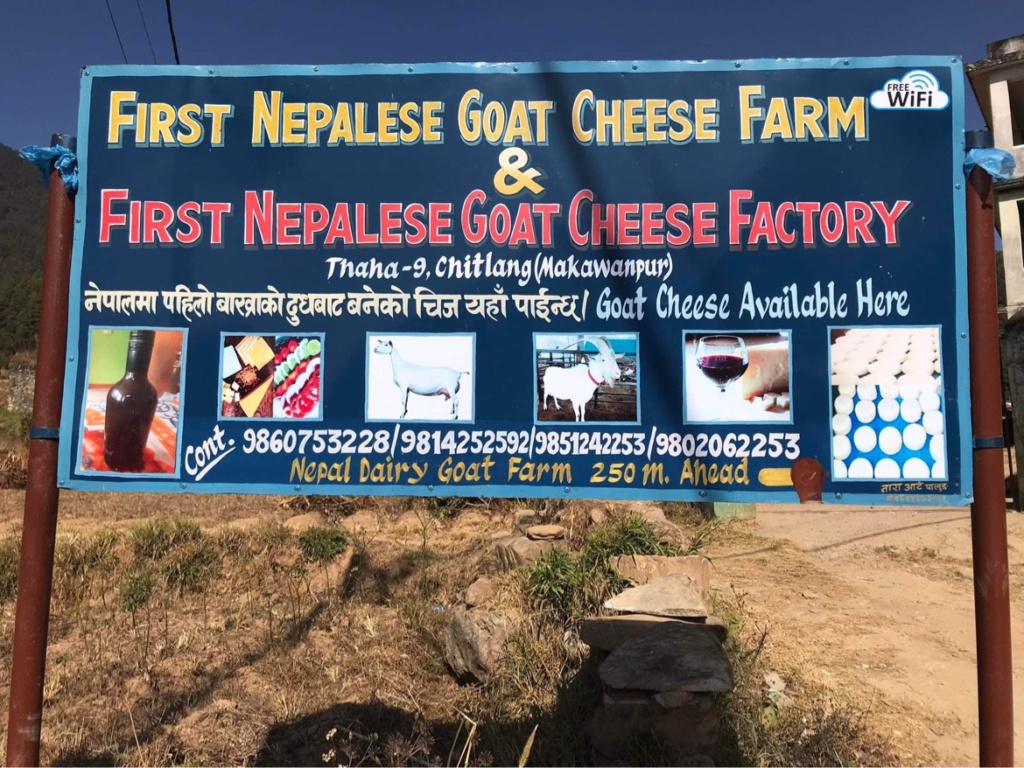
We are looking forward to seeing it look like this in Chepang too!
Address
Headquarter: Tara Namaste Foundation c/o CSC Company Structure Consulting AG Landstrasse 63 FL-9490 Vaduz
Swiss branch: Tara Namaste Foundation Lilo Veraguth-Holenweger Waltenschwilerstr. 16a 5610 Wohlen
Um dir ein optimales Erlebnis zu bieten, verwenden wir Technologien wie Cookies, um Geräteinformationen zu speichern und/oder darauf zuzugreifen. Wenn du diesen Technologien zustimmst, können wir Daten wie das Surfverhalten oder eindeutige IDs auf dieser Website verarbeiten. Wenn du deine Zustimmung nicht erteilst oder zurückziehst, können bestimmte Merkmale und Funktionen beeinträchtigt werden.
Funktional
Always active
Die technische Speicherung oder der Zugang ist unbedingt erforderlich für den rechtmäßigen Zweck, die Nutzung eines bestimmten Dienstes zu ermöglichen, der vom Teilnehmer oder Nutzer ausdrücklich gewünscht wird, oder für den alleinigen Zweck, die Übertragung einer Nachricht über ein elektronisches Kommunikationsnetz durchzuführen.
Vorlieben
Die technische Speicherung oder der Zugriff ist für den rechtmäßigen Zweck der Speicherung von Präferenzen erforderlich, die nicht vom Abonnenten oder Benutzer angefordert wurden.
Statistiken
Die technische Speicherung oder der Zugriff, der ausschließlich zu statistischen Zwecken erfolgt.Die technische Speicherung oder der Zugriff, der ausschließlich zu anonymen statistischen Zwecken verwendet wird. Ohne eine Vorladung, die freiwillige Zustimmung deines Internetdienstanbieters oder zusätzliche Aufzeichnungen von Dritten können die zu diesem Zweck gespeicherten oder abgerufenen Informationen allein in der Regel nicht dazu verwendet werden, dich zu identifizieren.
Marketing
Die technische Speicherung oder der Zugriff ist erforderlich, um Nutzerprofile zu erstellen, um Werbung zu versenden oder um den Nutzer auf einer Website oder über mehrere Websites hinweg zu ähnlichen Marketingzwecken zu verfolgen.